
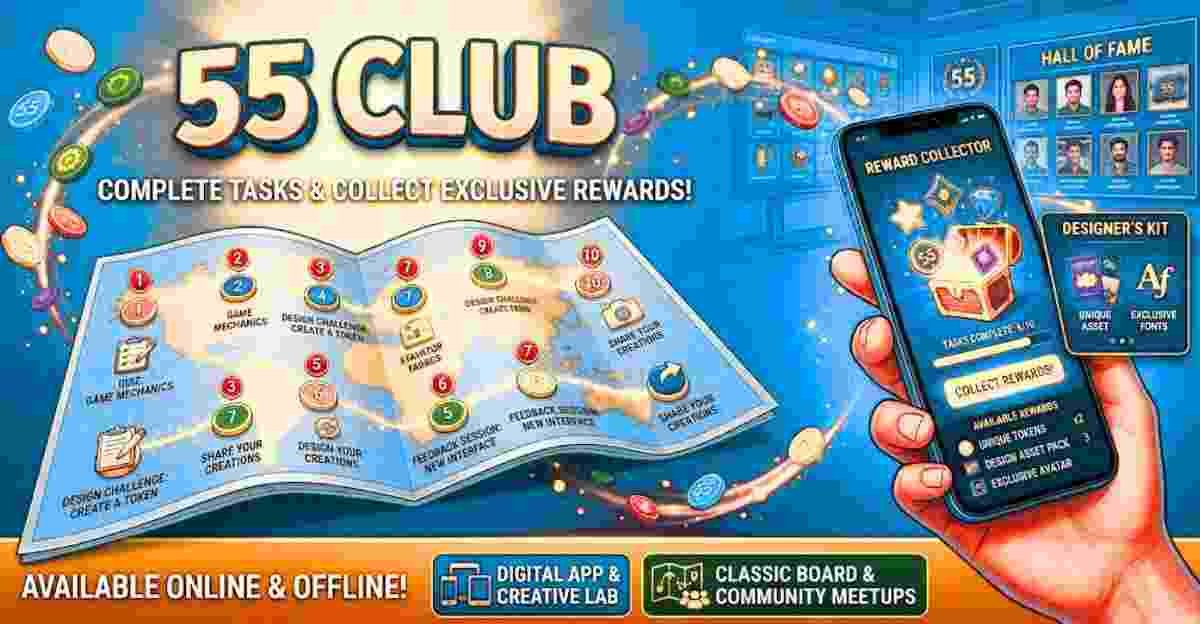
Interactive tasks have become an important part of digital entertainment, giving users opportunities to participate in activities rather than simply browse content. From completing tutorials to taking part in quizzes and reaching defined milestones, task-based features can make digital experiences more structured and engaging.
When designed well, these activities also help users understand a platform’s features and recognize their progress. 55 Club presents a context for exploring how interactive tasks and reward systems can fit into the broader online entertainment landscape. The key is to understand how task design, clear requirements, transparent reward conditions, and user motivation work together.
Understanding Interactive Tasks
An interactive task is an activity that asks users to complete a defined action. Unlike passive browsing, it gives participants a clear objective and some form of feedback.
In a general digital entertainment environment, tasks might include exploring a tutorial, answering a knowledge-based question, learning how to use a feature, or completing a non-monetary challenge. These activities can introduce users to unfamiliar functions while helping them become more comfortable with the interface.
A well-designed task should have a clear purpose, understandable instructions, and a reasonable level of difficulty. Users should know what is expected before they begin.
How Reward Systems Encourage Participation
Rewards can provide feedback that acknowledges effort or completion. In digital services, they may take different forms, such as achievement badges, progress indicators, access to additional content, or other clearly defined benefits.
The effectiveness of a reward system depends on whether the reward is meaningful and whether the conditions are understandable. A simple achievement marker, for example, can recognize learning without creating financial expectations.
Developers can also use milestone-based progress to help users see how far they have advanced through a tutorial or activity. This can make a lengthy process feel more manageable.
However, reward systems should not rely on misleading promises. Users need accurate information about eligibility, restrictions, expiration dates, and any conditions attached to a benefit. If a reward has monetary value, its terms should be explained before participation.
Designing Tasks That Provide Real Value
Not every task automatically improves the user experience. Repetitive activities that offer little purpose may become frustrating, particularly when users feel pressured to complete them.
A stronger approach is to design tasks around useful outcomes. For example, an introductory activity could explain account settings, a short quiz could reinforce information, or a guided exercise could demonstrate an unfamiliar interface.
Useful task design generally includes four elements:
- A clear objective: Participants should understand what they are trying to accomplish.
- Simple instructions: Requirements should be written in accessible language.
- Appropriate difficulty: Tasks should be achievable without unnecessary complexity.
- Honest feedback: Completion messages should accurately explain the result.
These principles help ensure that interactive tasks serve a meaningful purpose rather than existing solely to increase the number of user interactions.
Making Progress Easy to Understand
Progress tracking helps participants understand the relationship between their actions and their achievements. A well-organized progress display can show which steps are complete, which remain unfinished, and what is needed next.
For example, a learning activity could display a checklist showing completed lessons and remaining topics. Such a system reduces uncertainty and helps users continue at their own pace.
The design should also explain why a task has not been marked complete. If a technical error occurs, the interface should provide a useful message rather than leaving users to guess.
In a reward-based environment, accurate progress information is especially important. Users should not be led to believe that a benefit has been earned when the stated requirements have not been met.
Transparency and Fair Reward Conditions
Trust depends on whether users can understand how rewards are offered and distributed. Unclear eligibility requirements, changing conditions, or confusing withdrawal rules can create dissatisfaction.
A transparent reward system should explain the following details wherever relevant:
- The actions required to qualify.
- Eligibility and account restrictions.
- The nature and value of the reward.
- Any applicable fees or expiration conditions.
- How completion or reward status can be checked.
- Where users can ask questions or report a problem.
Users should read the official terms carefully and avoid relying on unverified social media posts or promotional messages.
Personalization Without Unnecessary Pressure
Different users have different interests, available time, and levels of experience. Optional task categories can help participants choose activities that suit their preferences.
For instance, some users may prefer short educational tasks, while others might enjoy longer challenges or feature-discovery activities. Allowing people to choose can make participation feel more flexible.
Nevertheless, personalization should respect individual boundaries. Frequent notifications, artificial deadlines, and pressure to return repeatedly can turn an enjoyable activity into an unwanted obligation.
A responsible system should make notifications manageable and allow users to stop whenever they choose. Participation should remain voluntary rather than being driven by anxiety about missing a reward.
Responsible Participation in Reward-Based Gaming
Reward systems require particular care when they are connected to lottery-style or chance-based activities. Users should understand that completing an activity does not necessarily guarantee a monetary benefit unless the official terms explicitly establish one.
Chance-based outcomes remain uncertain, and no task sequence or strategy can guarantee winnings. Gaming should not be considered a dependable source of income.
Users should follow applicable laws and age restrictions, understand any financial conditions, and set personal limits on time and spending. Essential expenses and borrowed money should never be used for gambling or chance-based participation.
Conclusion
The value of an interactive task lies not simply in the possibility of receiving a reward, but in whether the activity offers a clear purpose and a fair experience. When reward systems are understandable, voluntary, and responsibly designed, they can support participation without creating unrealistic expectations. Clear information and informed decision-making remain essential to a positive digital entertainment experience.