
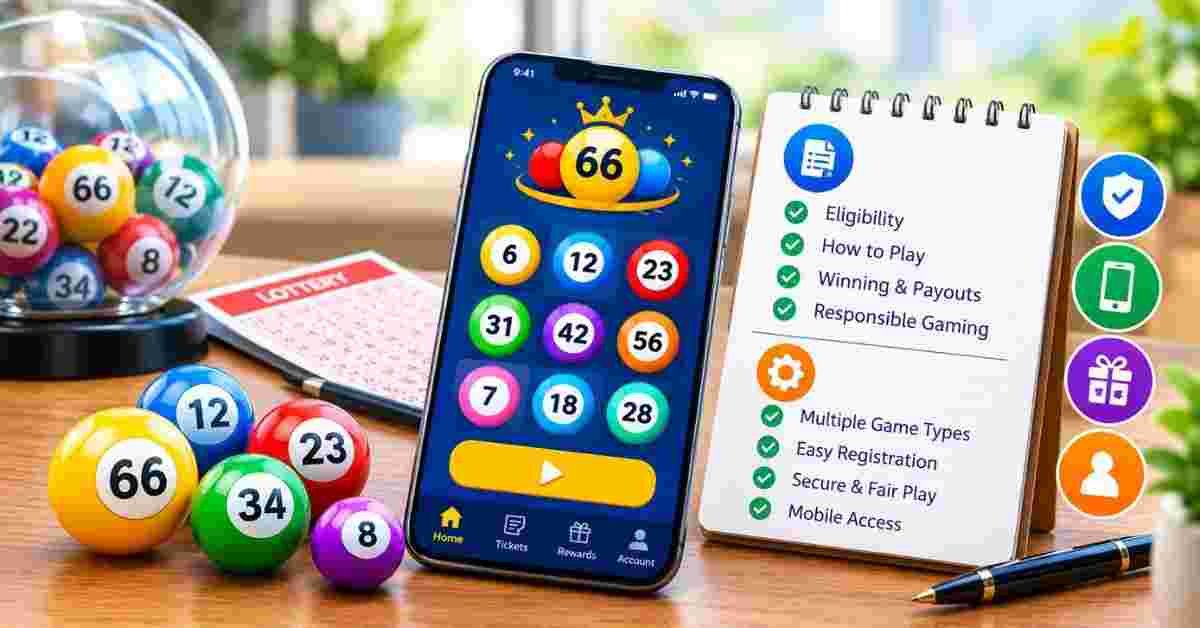
Online gaming platforms often combine account access, interactive entertainment, user settings, and activity records within a single digital environment. Understanding how these elements work can help users navigate a platform more confidently and make informed decisions. For anyone exploring 66 Lottery, the first step should be learning about its applicable rules, available features, account requirements, and responsible-use guidelines rather than focusing only on gameplay.
Platform details can change over time, so users should consult the official rules and terms available through the service they actually use. The following guide explains the main areas to review when evaluating a lottery-style gaming platform.
Understanding Platform Rules Before Playing
Rules explain what users can do, what responsibilities they have, and how different activities are governed. Before using 66 Lottery, readers should look for its terms of service, eligibility requirements, and any restrictions that apply in their location.
Important questions include whether registration requires identity or age verification, which activities are permitted, and what conditions govern account suspension or closure. Users should also understand how disputes are handled and whether the platform provides a formal complaint process.
Reading these details beforehand can prevent misunderstandings. A clear understanding of the rules is especially important when an activity involves money, prizes, or chance-based outcomes.
Exploring Registration and Account Features
Account registration is often the first step in accessing an online platform. A user-friendly registration process should explain the information required, how an account is verified, and how login credentials are protected.
When reviewing 66 Lottery’s account options, users should check for clear login instructions, password-recovery guidance, and accessible account settings. They should never share passwords or verification codes with another person, even if someone claims to represent customer support.
It is also useful to understand how to update account information and what steps are required if access is lost. These basic practices support account security and help users maintain control over their personal information.
Learning About Available Features
Features determine how users interact with a platform. Depending on the service’s actual offerings, relevant elements to review may include the main dashboard, game instructions, activity history, notifications, account settings, and help resources.
Clear navigation makes it easier to locate important information without repeatedly searching through menus. Instructions should explain the purpose of each activity, while relevant notices should communicate applicable conditions before a user participates.
Rather than assuming every advertised feature is available or reliable, users should verify it through official platform information. A useful feature should serve a clear purpose, work consistently, and provide enough information for users to make informed choices.
Understanding Payments, Withdrawals, and Transaction Rules
Financial procedures deserve particular attention whenever a gaming service involves deposits, withdrawals, or prizes. Users should examine the accepted payment methods, minimum and maximum transaction limits, processing conditions, and any disclosed fees.
The terms should also explain how transaction status is displayed and what steps to take if a payment is delayed. Users should retain relevant receipts and transaction references when seeking assistance.
Be cautious of requests to send additional money to unlock a promised prize or release a withdrawal. Verify unusual requests through independently confirmed official support channels, and never provide banking passwords or one-time security codes.
Reviewing Privacy and Security Controls
Privacy rules describe how personal information may be collected, used, stored, and shared. Before registering, users should review the privacy policy and determine what information is necessary for the service.
Useful security practices include using a unique password, securing the email or phone number linked to the account, and avoiding logins on untrusted devices. Users should also be alert to imitation websites, suspicious links, and messages promising guaranteed rewards.
A trustworthy evaluation considers more than visual design. It also examines whether the platform communicates its policies clearly and offers practical ways to report account or security concerns.
Customer Support and Dispute Resolution
Accessible customer support can help users understand account restrictions, clarify rules, and investigate transaction problems. Before participating, look for the platform’s stated support channels, response procedures, and complaint requirements.
When contacting support, provide a concise description of the issue and relevant reference numbers. Avoid sending unnecessary personal or financial information. Keep copies of important communications so the issue can be followed up systematically.
Clear dispute procedures are valuable because they establish how concerns are reviewed rather than leaving users uncertain about the next step.
Responsible Participation and Better Decisions
Lottery-style games may involve chance, and outcomes cannot be reliably predicted. No feature, strategy, or third-party claim can guarantee a win or make such activities a dependable source of income.
Users should follow local laws and applicable age restrictions, set firm time and spending limits, and never use borrowed money or funds needed for essentials. If participation becomes stressful or difficult to control, taking a break is a sensible step.
Conclusion
Understanding 66 Lottery platform rules and features means looking beyond the basic interface. Eligibility, registration, navigation, transaction conditions, privacy protections, customer support, and responsible participation all deserve attention. By checking official information and evaluating each area carefully, users can make more informed decisions about whether the service is suitable for them.