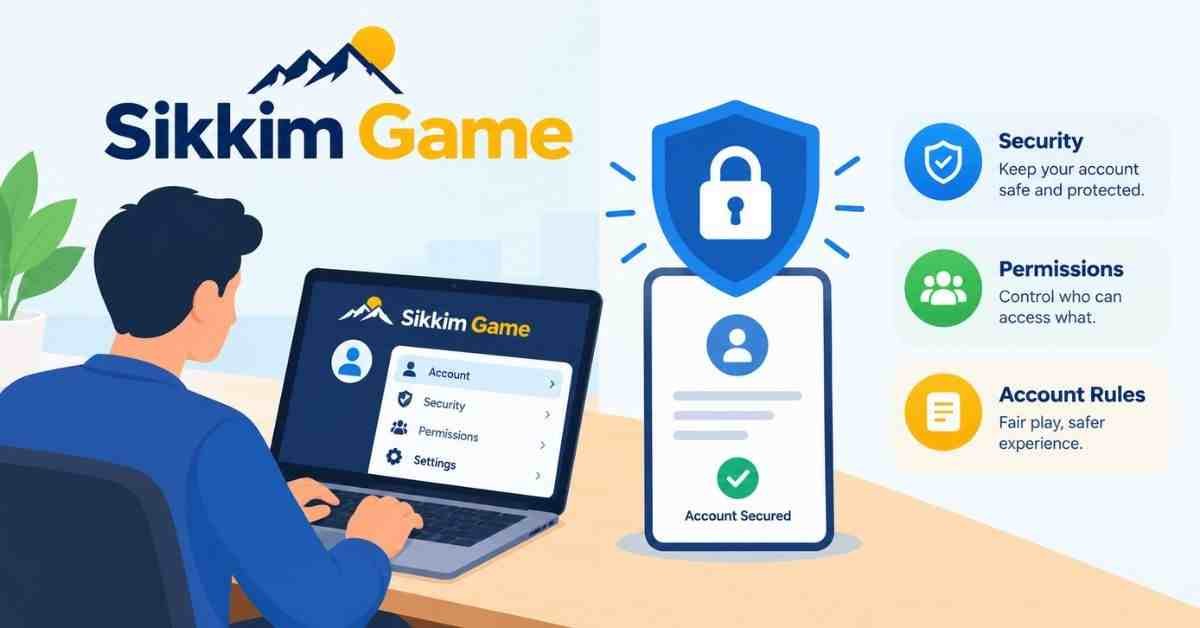
Account security is an important part of any digital service. As people use online platforms for entertainment, communication, and transactions, they need clear rules that explain who can access an account, which actions are permitted, and how personal information should be protected. Without understandable policies, users may struggle to recognize suspicious activity or manage their accounts confidently.
Sikkim Game gives a context for discussing the relationship between account rules, security controls, and user permissions in online gaming environments. These principles apply broadly to digital platforms, although the specific policies and protections available on any particular service should always be verified through its official documentation.
Why Account Rules Matter
Account rules establish the basic conditions under which a digital service can be used. They may explain registration requirements, eligibility, acceptable conduct, account ownership, and circumstances in which access can be restricted.
Clear rules help users understand their responsibilities before participating. They can also provide a framework for handling disputes, suspicious activity, and potential violations.
For a platform associated with Sikkim Game, users should review the applicable terms and conditions rather than relying exclusively on promotional descriptions or information shared through unofficial websites.
Important questions include whether users must meet specific age or location requirements, what information is collected during registration, and how account suspension or recovery is handled.
When policies are written in straightforward language, users can make better-informed decisions and understand what to expect from the service.
Authentication: Establishing Who Can Sign In
Authentication is the process of checking whether someone attempting to access an account is authorized to do so. Passwords are a common authentication method, while some services also support additional verification steps.
Strong account protection begins with individual responsibility. Users should create unique passwords that are difficult to guess and avoid reusing credentials from email, social media, or financial accounts.
Where supported, multifactor authentication adds another layer of protection by requiring an additional verification method. Users should also protect one-time codes and never share them with someone claiming to provide technical support.
When accessing Sikkim Game or another online service, checking the website address before entering credentials can help reduce the risk of phishing. A familiar logo or similar-looking page does not necessarily prove that a website is genuine.
Authentication policies work best when they combine reasonable security requirements with clear instructions for legitimate users.
Permissions and Control Over Account Activities
Permissions determine which actions an account holder or another authorized person can perform within a system. In digital services, these permissions may relate to viewing personal information, changing account settings, managing preferences, or accessing administrative functions.
A well-designed system follows the principle of least privilege: each account receives only the access needed for its intended purpose.
For example, a customer-support employee may need access to information required to resolve a request but should not automatically receive unrestricted access to unrelated personal data.
For users of Sikkim Game, the relevant practical step is to review the account settings and policies that are actually available. Users should understand which details can be changed, how login sessions are managed if such controls exist, and what procedures apply when access needs to be restored.
Protecting Personal Information
Account security is closely connected to privacy. Registration details, contact information, identity documents, and transaction records can be sensitive, particularly when they are combined.
A responsible digital service should explain what information it collects, why the information is required, how it is stored, and when it may be shared. Users should be able to locate relevant privacy information before submitting unnecessary personal details.
When evaluating Sikkim Game, users can look for a clearly identified privacy policy and verify that requests for personal information are consistent with the stated purpose of the service.
Users should avoid sending identity documents, passwords, or financial details through unofficial messaging accounts. If verification is required, they should confirm the request through a legitimate channel.
Account Recovery and Suspicious Activity
Even users who follow security precautions can encounter account problems. They may forget a password, lose access to a registered device, or notice activity they do not recognize.
A clear recovery process should help legitimate account holders regain access without making it easy for another person to take over the account.
If suspicious activity is detected, users should use the service’s verified recovery or support process, change compromised credentials where possible, and review any available account or transaction history.
They should not pay an unofficial person who promises guaranteed account recovery or disclose verification codes to someone requesting them.
For transaction-related concerns, checking the official status before repeating a payment can help prevent duplicate actions. Keeping relevant confirmation records may also make it easier to explain the issue to authorized support staff.
Fair Enforcement and Transparent Restrictions
Security rules must be applied in a way that users can understand. Restrictions may sometimes be necessary to investigate unauthorized access, suspected fraud, or violations of platform policies. However, unclear enforcement can leave legitimate users uncertain about what happened or how to appeal.
Transparent policies should explain the general grounds for restrictions, the available support channels, and any applicable review procedures.
Users should also be cautious of messages claiming that an account will be permanently blocked unless they immediately transfer money or reveal confidential credentials. Such pressure tactics can be associated with scams.
A trustworthy account-management framework should balance fraud prevention with fair treatment, clear communication, and appropriate privacy protections.
Conclusion
Account rules shape digital security by defining acceptable use, setting access conditions, protecting personal information, and establishing procedures for account recovery and enforcement. In the context of Sikkim Game, understanding these principles can help users evaluate account policies more carefully and adopt safer online habits.
The most important practices are straightforward: review official terms, use unique credentials, enable additional verification when available, protect sensitive information, and seek assistance through verified support channels.
Ultimately, effective account security depends on both clear organizational rules and informed user behavior. When permissions are limited appropriately and policies are communicated transparently, digital services can provide a stronger foundation for safer and more confident participation.