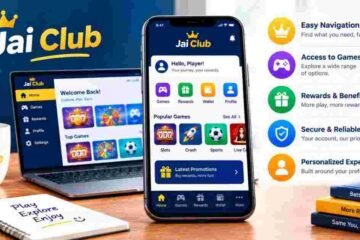

Modern lifestyles are increasingly shaped by connected technology. Smartphones, digital communication, online communities, and on-demand entertainment allow people to move between different activities throughout the day. Within this environment, interactive gaming has become one of the ways people explore digital leisure. The topic of BDG Game provides an opportunity to examine how online gaming can fit into a connected lifestyle through accessibility, flexible entertainment, user interaction, and responsible technology use.
A connected lifestyle is not simply about spending more time online. It is about using digital services in ways that complement personal routines, social relationships, and individual interests. Understanding this distinction helps explain how interactive gaming can become part of modern entertainment without taking priority over everyday responsibilities.
Gaming Within Everyday Digital Routines
People now use their smartphones for communication, learning, shopping, entertainment, and information. Interactive gaming exists within this wider digital ecosystem. Instead of requiring a separate entertainment environment, many gaming experiences can be accessed through devices people already use for daily activities.
For a platform associated with BDG Game, a useful approach is to consider how its digital experience could fit naturally into a user’s routine. Clear navigation, understandable instructions, and responsive pages can help users explore available information without unnecessary complications.
However, convenient access should not mean constant engagement. Digital entertainment is most beneficial when users can choose when to participate and when to disconnect. A balanced routine leaves sufficient time for study, work, sleep, exercise, and personal relationships.
Mobile Accessibility and Flexible Entertainment
Mobile technology has changed how people approach leisure. Users may prefer short entertainment sessions during free time rather than committing to a long activity. This makes mobile accessibility an important consideration in contemporary gaming design.
A well-designed gaming interface should remain understandable across different screen sizes. Text should be readable, menus should be easy to navigate, and important information should not be hidden behind confusing controls. Efficient loading and consistent performance can also improve the overall experience, particularly for people using devices with limited processing power or slower internet connections.
Flexible entertainment also requires user control. Simple ways to pause, leave, or manage notifications help people decide how gaming fits into their day instead of allowing an application to dictate their schedule.
Digital Connectivity and Social Interaction
A connected lifestyle often includes communication with friends, participation in online communities, and sharing interests through digital channels. Gaming can contribute to these experiences when it provides opportunities for appropriate social interaction.
Depending on the design of a platform, possible social elements may include community discussions, shared challenges, user feedback, or spaces where participants exchange general information. Such features can make digital entertainment feel more interactive than simply viewing content on a screen.
Nevertheless, social engagement should be designed with privacy and respect in mind. Users benefit from clear community rules, controls over personal information, and accessible reporting options where communication features are available.
Social interaction should also remain voluntary. People should not feel pressured to participate continuously or spend money to maintain their standing within a community. A positive connected experience gives users freedom to engage according to their own preferences.
Personalization Without Losing User Control
Digital services increasingly organize information according to user preferences. In gaming environments, personalization might involve adjustable display settings, language options, accessible instructions, or recommendations based on voluntarily selected interests.
For a service connected with BDG Game, these ideas illustrate possible ways to make digital interaction more convenient. Personalization should solve genuine user problems instead of creating unnecessary complexity.
Transparency is particularly important. Users should be able to understand why information is presented to them and, where possible, modify their preferences. Collecting unnecessary personal data can create privacy risks without improving the experience.
Effective personalization therefore combines convenience with choice. The purpose is to help people navigate an environment more comfortably, not to encourage endless screen time or manipulate their decisions.
Digital Safety in a Connected Environment
As entertainment becomes more closely integrated with everyday technology, digital safety becomes increasingly important. Users may encounter unfamiliar links, misleading promotional messages, impersonation attempts, or requests for sensitive information.
Several basic practices can help reduce these risks:
- Use official sources to identify legitimate services and access account pages.
- Create strong, unique passwords and protect verification codes.
- Review privacy settings and understand what information is requested.
- Check transaction details carefully before confirming payments.
- Avoid messages promising guaranteed winnings or asking for confidential credentials.
- Contact official support channels when account activity appears suspicious.
Platforms also have a responsibility to communicate their rules, data practices, payment conditions, and support procedures clearly. Trust should be built through verifiable information rather than promotional promises.
Keeping Interactive Gaming Balanced
A connected lifestyle works best when technology supports personal goals rather than displacing them. Gaming can be treated as an optional leisure activity, with clear limits on time and spending.
Users should never rely on gaming outcomes as a source of dependable income. Lottery-style or other chance-based activities involve uncertainty, and no strategy can guarantee a win. Participants should follow applicable laws and age restrictions, avoid borrowed or essential household funds, and stop when entertainment begins affecting their well-being or responsibilities.
Healthy digital habits include taking regular breaks, disabling unnecessary notifications, and keeping offline interests active. These simple choices help preserve the distinction between using technology and feeling compelled to remain connected.
Conclusion
BDG Game offers a useful context for discussing the relationship between interactive gaming and modern connected lifestyles. Mobile accessibility, social interaction, personalization, digital safety, and balanced participation are all important considerations when evaluating online entertainment.
The strongest digital experiences are not necessarily those that demand the most attention. They are those that respect users’ time, protect their information, communicate clearly, and provide meaningful control over participation. By approaching interactive gaming through these principles, users and developers can better understand how digital leisure may complement everyday life while maintaining healthy boundaries.