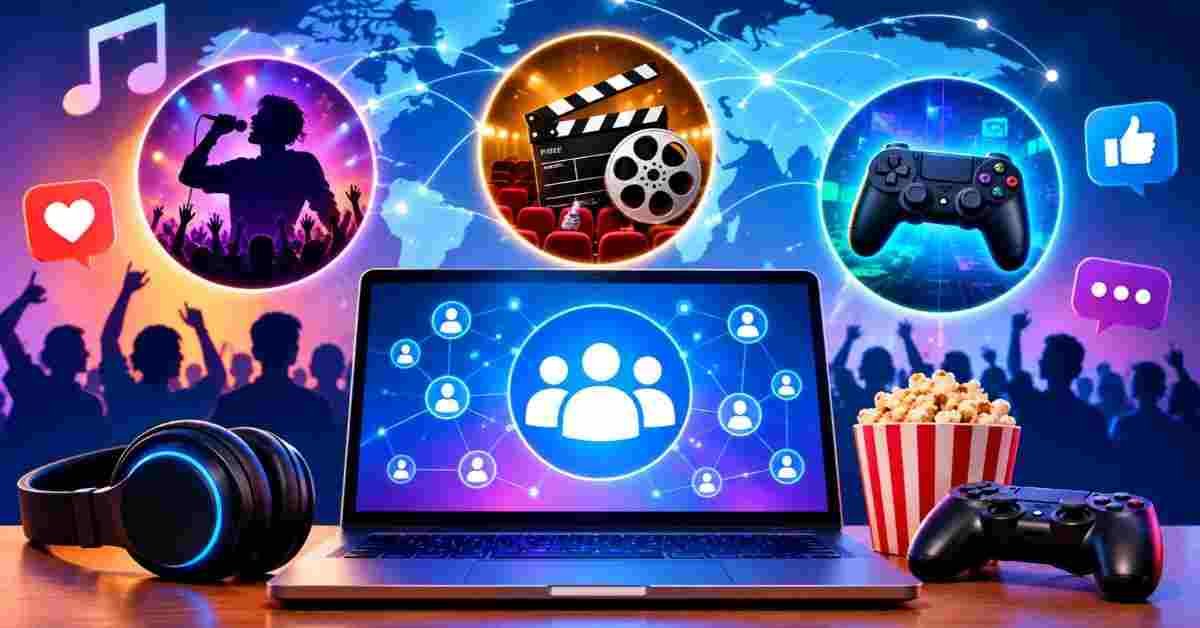
Fan culture has changed significantly with the development of online platforms. People who once discussed favorite musicians, movies, or games within small circles can now communicate with audiences worldwide. Digital communities allow fans to exchange opinions, create content, organize events, and develop shared identities. These interactions transform entertainment from an individual experience into a form of social participation. Understanding how fandoms develop reveals their influence on communication, creativity, and the entertainment industry.
Online communities emerge around many interests, including entertainment services and interactive experiences. Users exploring digital platforms may encounter this website, which features chance-based casino entertainment involving financial risks. Music, film, and gaming fandoms operate differently because their central activities involve discussing creative works, interpreting stories, and building relationships around shared interests. Their development depends on participation, communication, and collective identity.
What Is Online Fan Culture?
Online fan culture describes the practices and relationships that develop among people sharing an interest in particular entertainment products or creators.
Fans communicate through discussion forums, social networks, messaging groups, and content-sharing platforms.
Participation may involve reviewing releases, analyzing characters, creating artwork, or organizing collective activities.
Some members contribute regularly, while others primarily observe discussions.
This difference matters because community membership does not require continuous participation or public content creation.
How Fan Communities Begin
Most fandoms develop when audiences discover a shared interest and seek opportunities to discuss it.
A music release, film premiere, or game launch can create an initial reason for interaction.
Early participants may establish discussion groups, publish reviews, or exchange recommendations.
As membership increases, communities develop expectations concerning communication and acceptable behavior.
Some remain centered on one release, while others continue through multiple projects.
Long-term survival depends partly on whether participants establish relationships beyond the original entertainment product.
Why Music Fandoms Encourage Collective Participation
Music fandoms often organize around artists, albums, concerts, and release schedules.
Fans discuss lyrics, interpret performances, and exchange information about upcoming events.
Some coordinate listening sessions or create artwork inspired by songs.
Concert attendance can strengthen relationships developed through online interaction.
However, collective enthusiasm sometimes introduces competition involving popularity statistics and commercial achievements.
Communities function more sustainably when appreciation of music remains more important than comparisons between artists.
Film communities frequently develop around storytelling, characters, and fictional worlds.
Fans analyze narrative decisions, discuss character motivations, and propose interpretations of unresolved events.
Some create alternative storylines, illustrations, or video essays.
These activities extend engagement beyond watching the original film.
Disagreements can also stimulate discussion when participants respect different interpretations.
However, speculation should be distinguished from information confirmed by filmmakers or official releases.
How Gaming Communities Develop
Gaming fandoms combine entertainment with participation because players directly interact with fictional environments.
Communities exchange strategies, discuss updates, and organize multiplayer sessions.
Some members create tutorials, modifications, or fan artwork.
Cooperative gameplay can strengthen relationships through repeated interaction and shared objectives.
However, competitive environments may also produce conflict or exclusion.
Clear moderation practices and community guidelines can help maintain constructive communication.
The Role of Social Media Algorithms
Recommendation systems influence which fan discussions reach potential participants.
Videos, artwork, and commentary receiving engagement may circulate beyond established communities.
This allows smaller fandoms to attract audiences unfamiliar with the original content.
However, algorithms can also amplify controversy because disagreements often generate attention.
Visibility therefore does not always represent community consensus.
Users benefit from examining different discussions rather than assuming the most popular post reflects everyone’s perspective.
Fan Creativity and User-Generated Content
Creative production is an important feature of online fandoms.
Participants produce illustrations, costumes, fictional stories, edits, and analytical videos.
These activities allow fans to reinterpret existing works while developing practical skills.
Some creators eventually build portfolios or pursue professional opportunities.
However, most participation remains recreational.
Copyright and community rules can also influence how derivative works are distributed or monetized.
Why Fans Develop a Sense of Belonging
Shared interests provide opportunities for conversation between people who might otherwise never meet.
Regular interaction allows members to recognize familiar participants and establish relationships.
Communities may also offer social support during periods of personal change.
However, belonging depends on respectful communication and acceptance of differences.
Fandoms become less welcoming when participation requires agreement with every prevailing opinion.
How Fan Communities Influence Entertainment Industries
Entertainment companies increasingly observe online discussions to understand audience responses.
Fan reactions can inform marketing strategies, merchandise decisions, and promotional campaigns.
Organized communities may also increase awareness of releases through voluntary sharing.
However, online engagement does not always translate into purchases or viewership.
Companies must distinguish vocal fan groups from broader audiences when evaluating commercial demand.
Challenges Within Online Fandoms
Fan communities can experience harassment, misinformation, excessive competition, and disputes over interpretation.
Strong identification with fictional characters or performers may also encourage unrealistic expectations.
Some participants develop one-sided emotional attachments to public figures.
Moderation, transparent rules, and respectful boundaries help reduce these problems.
Healthy participation allows individuals to enjoy shared interests without treating disagreement as a personal attack.
The Future of Digital Fan Communities
Online fan culture demonstrates how entertainment can become a foundation for social interaction and creativity.
Music, movies, and games bring people together through shared experiences, interpretations, and collaborative activities.
As digital platforms evolve, fan communities will continue adapting their communication methods.
Their lasting value depends on meaningful participation rather than audience size alone.
Ultimately, fandoms show that enjoying entertainment can involve more than consuming content. It can create opportunities for friendship, creative expression, and connections between people who share common interests.