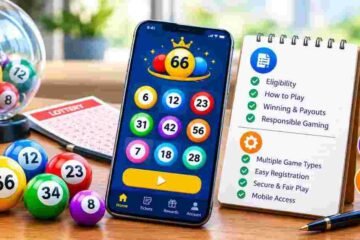

Game design plays an important role in shaping how people experience digital entertainment. Beyond graphics and interactive features, it determines how users understand instructions, make decisions, respond to challenges, and navigate an online environment. A well-designed experience can feel intuitive and enjoyable, while confusing rules or poorly organized controls may create frustration. OK Win offers a context for exploring how different game design principles could influence digital entertainment.
By examining elements such as feedback, visual storytelling, difficulty, interface structure, and player choice, it becomes easier to understand why thoughtful design matters. The objective is not simply to make games more engaging, but to create experiences that are understandable, accessible, and responsible.
The Importance of First Impressions
The first interaction with a digital game can influence whether a user understands its purpose and feels comfortable exploring it. A crowded screen, unclear instructions, or unfamiliar symbols may create unnecessary barriers for beginners.
Good design introduces essential information gradually. Clear headings, recognizable controls, and short explanations help users understand where to begin. Visual elements should support navigation rather than compete with important instructions.
For an OK Win-inspired entertainment experience, developers could consider simplifying the initial screen and making essential information easy to find. A user should not need extensive technical knowledge to understand the basic structure of an activity.
Feedback That Makes Interactions Meaningful
Feedback explains the relationship between a user’s action and the system’s response. Without useful feedback, people may be uncertain whether a button worked, whether an activity has finished, or whether an error has occurred.
Well-designed feedback can take several forms:
- Visual indicators that confirm an action.
- Short messages explaining the result of an interaction.
- Progress indicators for activities that take time.
- Clear error messages describing what went wrong.
- Sound or animation used selectively to reinforce information.
The timing of feedback is also important. A delayed response without explanation can make an interface feel unreliable, even when the system is still processing a request.
In digital entertainment, feedback should communicate information honestly. It should not exaggerate the significance of an outcome or imply that a future result is predictable when it is not.
Balancing Challenge and Simplicity
Different people enjoy different levels of complexity. Some prefer straightforward activities that require little preparation, while others appreciate games that involve planning, problem-solving, or learning unfamiliar mechanics.
Effective game design considers this variation. Tutorials, optional practice activities, and progressively introduced instructions can help beginners learn without overwhelming them. More experienced users may benefit from additional explanations or optional challenges where appropriate.
However, complexity should serve a clear purpose. Adding unnecessary rules or controls can make an activity harder to understand without making it more enjoyable.
For the OK Win entertainment experience, the broader design lesson is to match the amount of information and interaction to the needs of the activity. Simple games should remain simple, while more complicated experiences should explain their mechanics clearly.
Visual Storytelling and Atmosphere
Visual design can communicate mood, identity, and context before users read a single instruction. Color, typography, illustration, animation, and layout all influence how an entertainment environment feels.
A consistent visual style helps users recognize related elements and understand how different sections fit together. Carefully chosen animations can make transitions feel natural, while meaningful icons can communicate information quickly.
Nevertheless, visual effects should not interfere with usability. Excessive movement, flashing elements, or competing colors may distract users and make text harder to read.
Accessibility should guide visual decisions as well. Adequate contrast, scalable text, reduced-motion options, and alternatives to color-only indicators can help accommodate different user needs.
A strong design does not depend on constant visual stimulation. It uses presentation to make the experience clearer and more coherent.
Player Choice and Personalization
Choice can make digital entertainment feel more relevant to individual preferences. Users may differ in their preferred language, text size, sound settings, and level of guidance.
A thoughtfully designed interface could provide optional settings that allow users to adjust these elements. Clear explanations should accompany the available choices, and users should be able to change their preferences without navigating complicated menus.
Personalization should not become a method of manipulating behavior. Recommendations and notifications should respect user preferences and avoid creating unnecessary pressure to continue participating.
For an OK Win-related design strategy, user control can be treated as a measure of quality: the interface should help people make decisions rather than push them toward actions they have not considered carefully.
Designing for Different Devices
People interact with digital entertainment through a wide range of screens and input methods. A design that works on a desktop may be inconvenient on a mobile phone if buttons are too small or essential information is difficult to locate.
Responsive layouts help content adjust to the available screen size. Designers should test touch controls, text readability, menu behavior, and loading performance across different devices.
The experience should also remain understandable when a connection is slow or an action fails. Clear status messages and safe recovery options can reduce confusion and prevent repeated actions.
Responsible Design and Player Well-Being
Entertainment design should respect users’ time, attention, and ability to make informed decisions. Clear stopping points, manageable notification settings, and transparent rules can help people remain in control of their participation.
This is particularly important when a service includes monetary participation or games of chance. Outcomes should never be represented as guaranteed, and users should not be encouraged to treat gaming as a dependable source of income.
Age restrictions, applicable laws, clear payment conditions, and reasonable time and spending limits should all be considered where relevant. Design choices should prioritize understanding and safety over maximizing participation at any cost.
Conclusion
How Game Design Could Influence the OK Win Entertainment Experience demonstrates that successful digital entertainment depends on much more than attractive graphics. Clear first impressions, meaningful feedback, balanced complexity, consistent visuals, user choice, and device compatibility can all contribute to a better experience.By combining creativity with accessibility, transparency, and responsible practices, digital entertainment services can create experiences that are more intuitive, enjoyable, and respectful of their users.