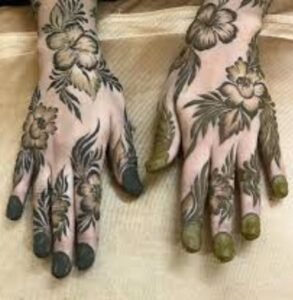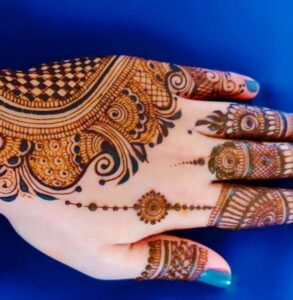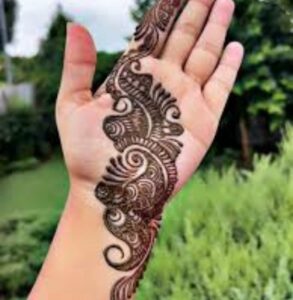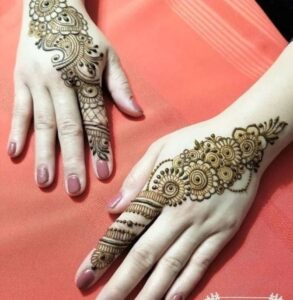
Muslim Mehndi Design
These designs are applied during weddings, religious festivities, and celebrations like Eid, where their rich hues and elaborate patterns are thought to bring good fortune and blessings. The process involves using powdered henna mixed with water or essential oils, creating a paste that is meticulously applied to the skin in elaborate motifs.
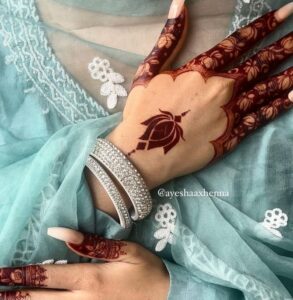
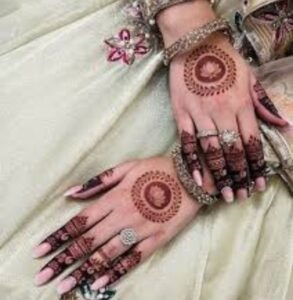
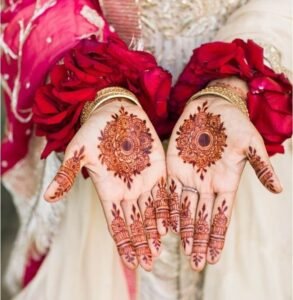
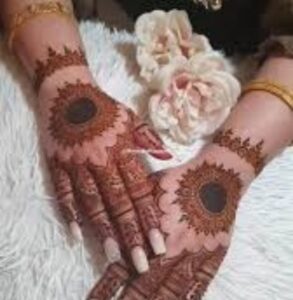
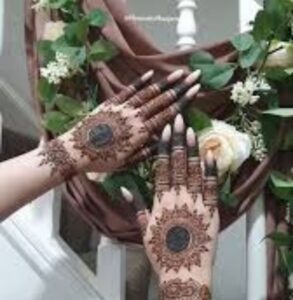
Islamic Mehndi Design
The art of mehndi, or henna, holds profound significance in Islamic culture, particularly within Muslim communities. Traditionally, mehndi designs are applied during celebrations such as weddings, Eid, and festivals, serving as a symbol of joy and festivity.
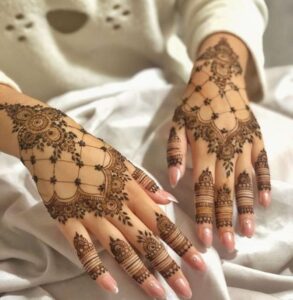
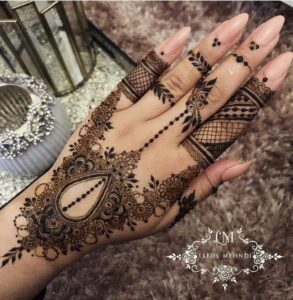
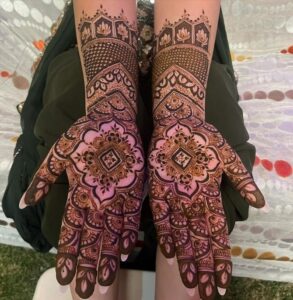
Muslim Bridal Mehndi Design
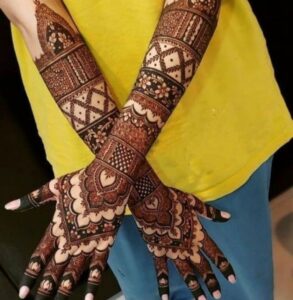
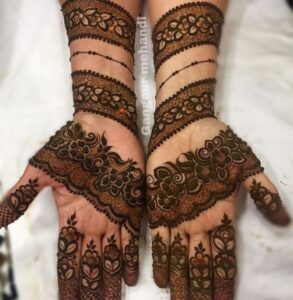
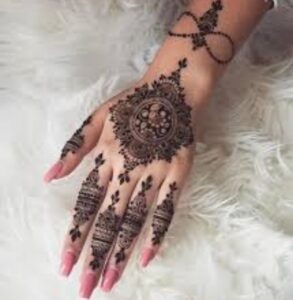
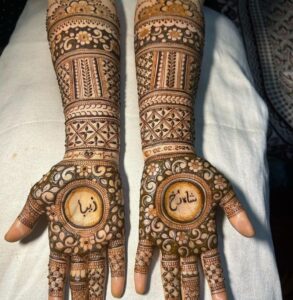
Muslim bridal mehndi design is a rich, intricate tradition that plays a central role in the celebrations surrounding marriage in many Muslim cultures. The mehndi is applied a day or two before the wedding ceremony, symbolizing joy, beauty, and spiritual blessings.
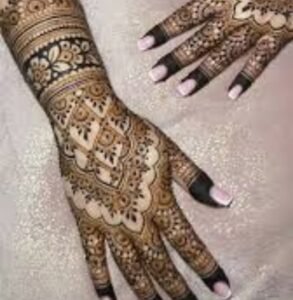
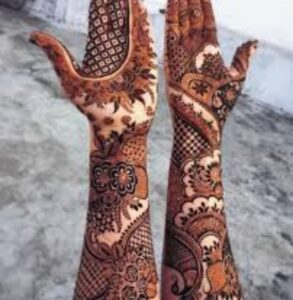
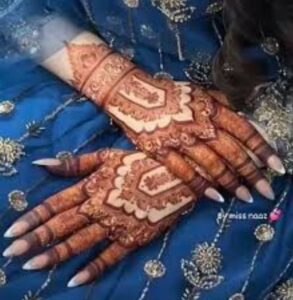
Mehndi Muslim Design Back Hand
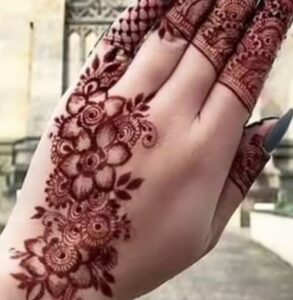
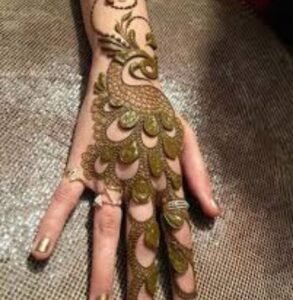
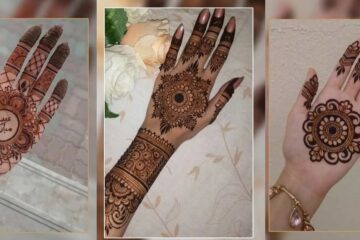
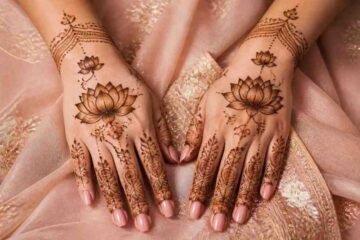
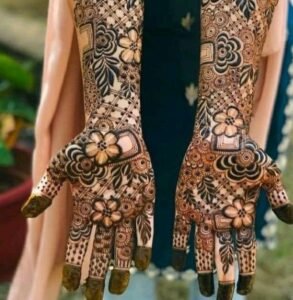
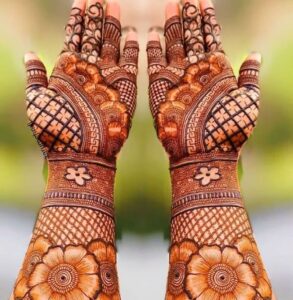
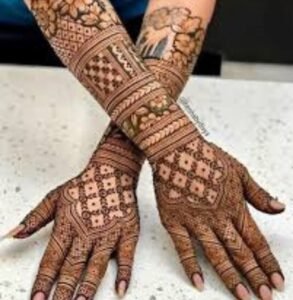
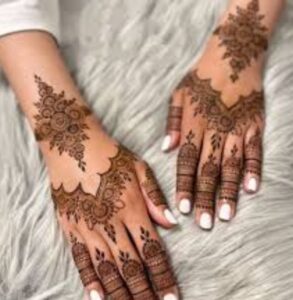
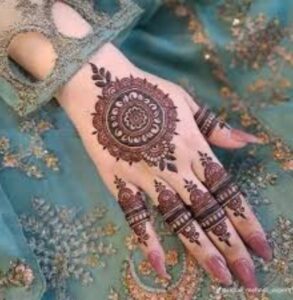
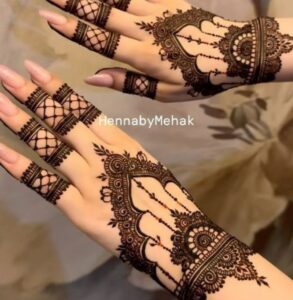
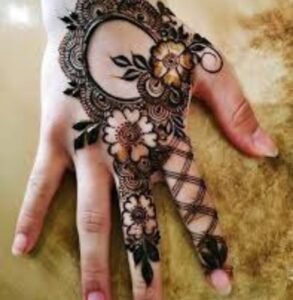
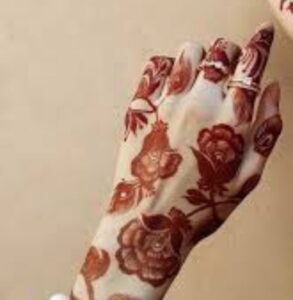
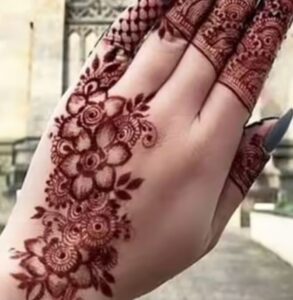
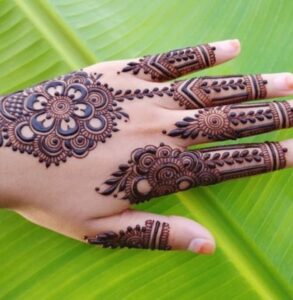
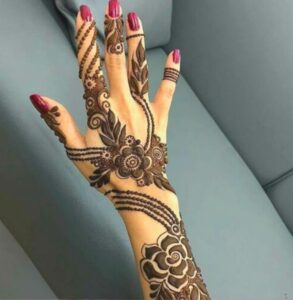
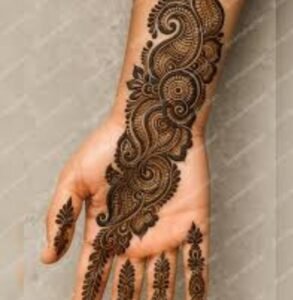
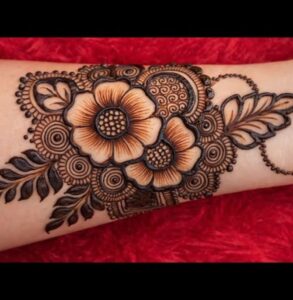
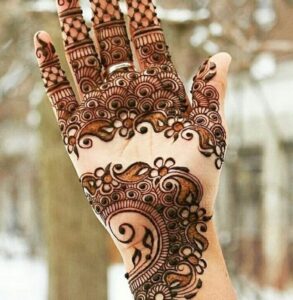
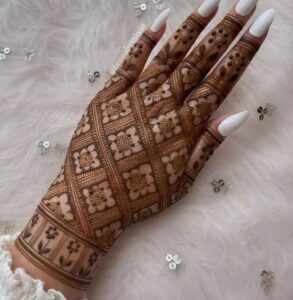
The back of the hand is often a preferred canvas for mehndi due to its visibility and the ability to showcase detailed artwork. Common motifs include paisleys, floral patterns, and geometric shapes, each carrying its own symbolic meaning.
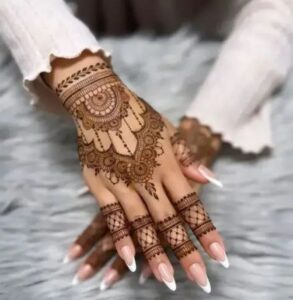
Muslim Simple Mehndi Design
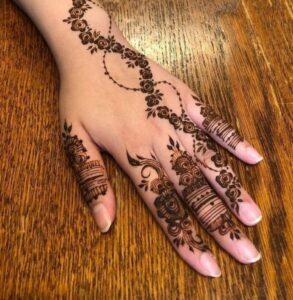
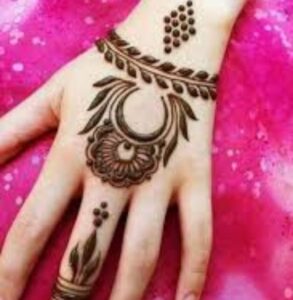
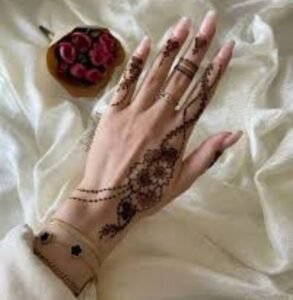
Simple Muslim mehndi designs frequently incorporate elements like floral motifs, geometric shapes, and minimal line work that are not only aesthetically pleasing but also culturally significant. The beauty of these designs lies in their adaptability; they can easily fit a variety of personal styles and preferences while remaining true to their cultural roots.
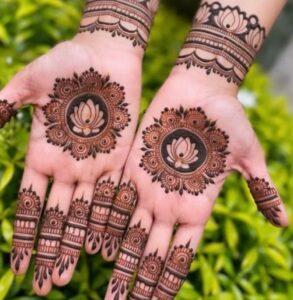
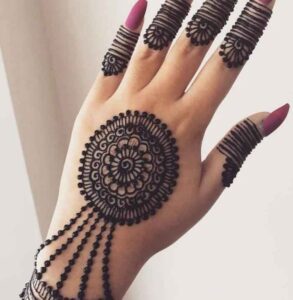
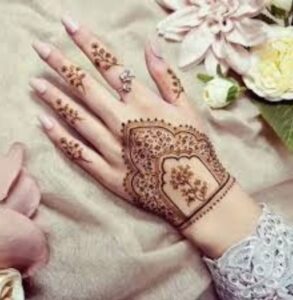
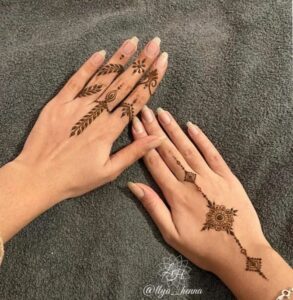
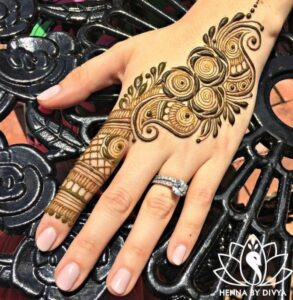
Muslim Style Mehndi Design
Muslim-style mehndi design, rooted in cultural significance and artistic expression, plays a vital role in various celebrations, particularly weddings. Mehndi is applied to the hands and feet, with elaborate motifs that can range from geometric patterns to floral designs.
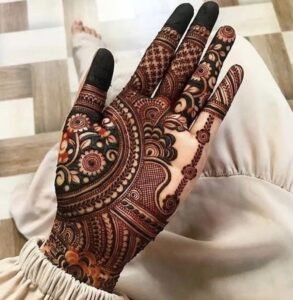
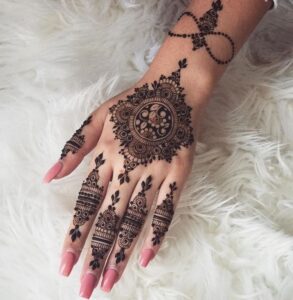
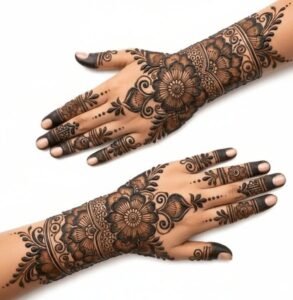
Modern Mehndi Muslim Design
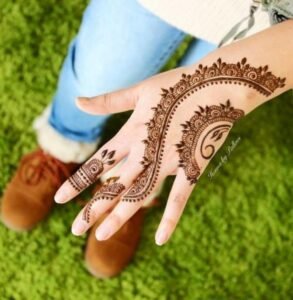
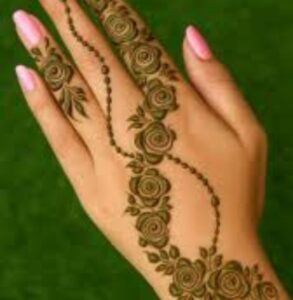
Modern Muslim mehndi design has evolved into a vibrant art form that blends traditional motifs with contemporary aesthetics. Historically, mehndi, or henna, has been used in various cultures for centuries as a form of body art, particularly during important life events and celebrations such as weddings and religious ceremonies.
Mehndi Muslim Design Front Hand
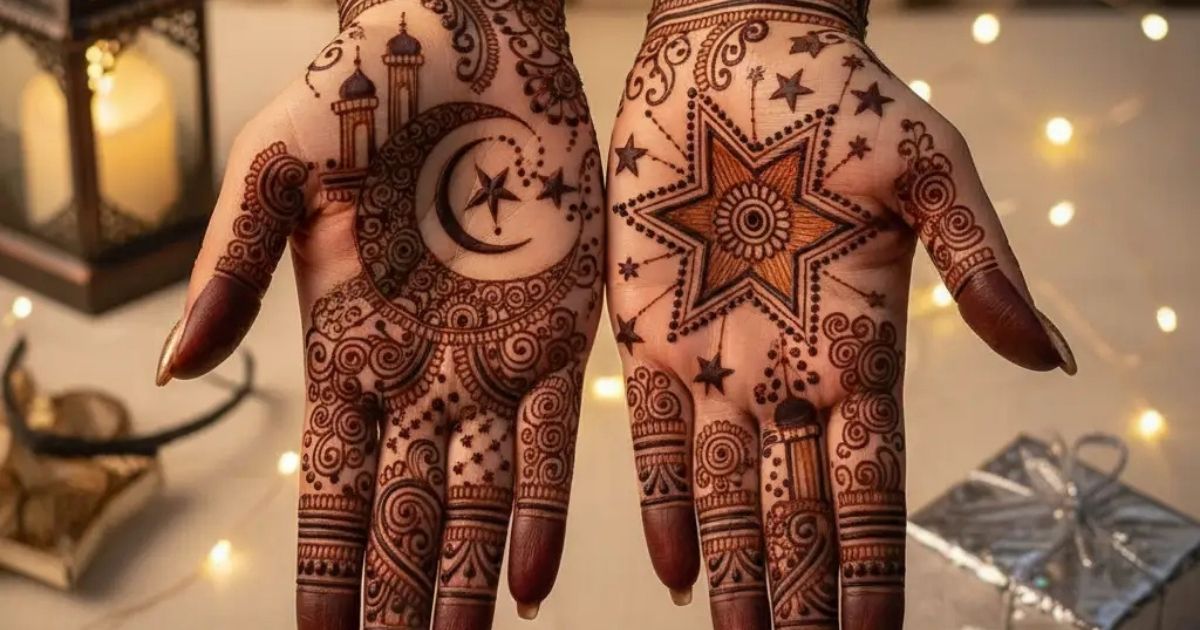
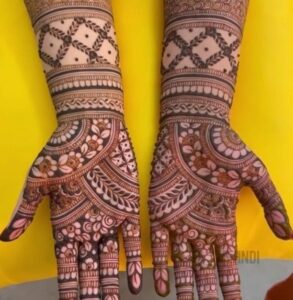
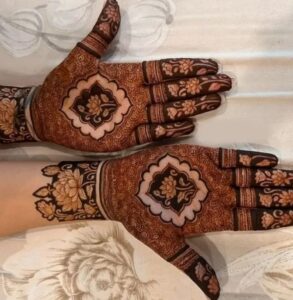
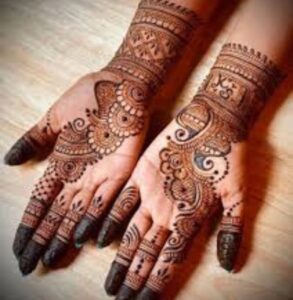
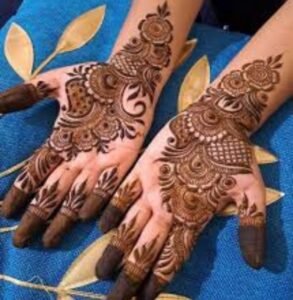
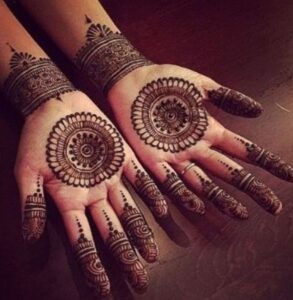
A front-hand mehndi design typically encompasses elaborate patterns that cover the palm and extend to the wrist, serving as a canvas for cultural expression. These designs often incorporate traditional motifs such as paisleys, flowers, and intricate geometric shapes, reflecting both spirituality and aesthetic beauty.
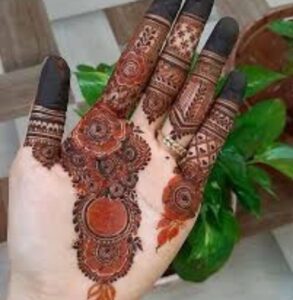
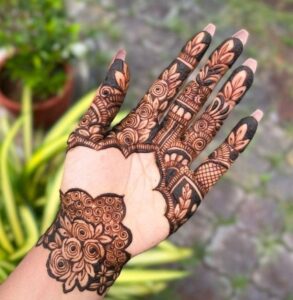
Muslim Pakistani Mehndi Design
Pakistani mehndi design, also known as henna art, is a vibrant and intricate form of body decoration that holds deep cultural significance. Traditionally applied during joyous occasions such as weddings, Eid celebrations, and religious festivities, mehndi is more than just an aesthetic adornment; it embodies a rich tapestry of cultural narratives.
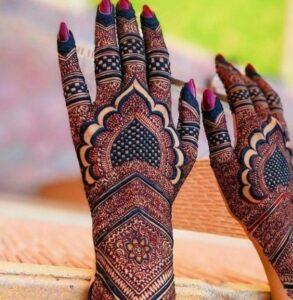
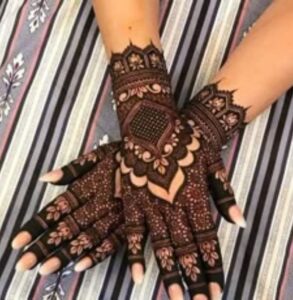
Muslim Arabic Mehndi Design
Mehndi, a traditional art form deeply rooted in Arabic and Muslim cultures, is more than just a decorative practice; it is a way to express joy, identity, and spirituality. The process of applying mehndi is not only artistic but also communal; family and friends often gather to partake in the festivities, fostering a sense of togetherness and shared joy.